

Words
A miracle worthy of reflection

Imagine the entire 4.5 billion years of our planet’s history compressed into a single day, beginning at 12:00 am and ending at midnight. If early humans could speak, and we aren’t entirely sure when they could, words might have arrived at about 11:59:30 pm. Written language would show up at a tenth of a second before midnight. A blink. One grain of sand in the Wicked Witch’s hourglass. That’s how long we’ve had this gift we wield so casually.
The planet and every creature that has ever lived on it have flourished for practically all of earthly time without a single word. Without labels, without declarations, without poetry or propaganda or the comment section. The sunset was beautiful before anyone called it that. The hummingbird was astonishing before we had a word for astonishing. Experiences don’t become meaningful because we’ve assigned them adjectives. They already were.
And yet here we are, so steeped in language that we forgot. We forget that the word is not the thing. That the map is not the territory. That somewhere underneath all our labeling and describing and arguing, the world is just being itself.
Words are flung into the air with abandon, often assumed to be true simply because they issued from someone’s face hole. “Everybody knows blah blabbidee blah blah.” As if saying something with enough confidence makes it so. As if repetition is the same as fact.
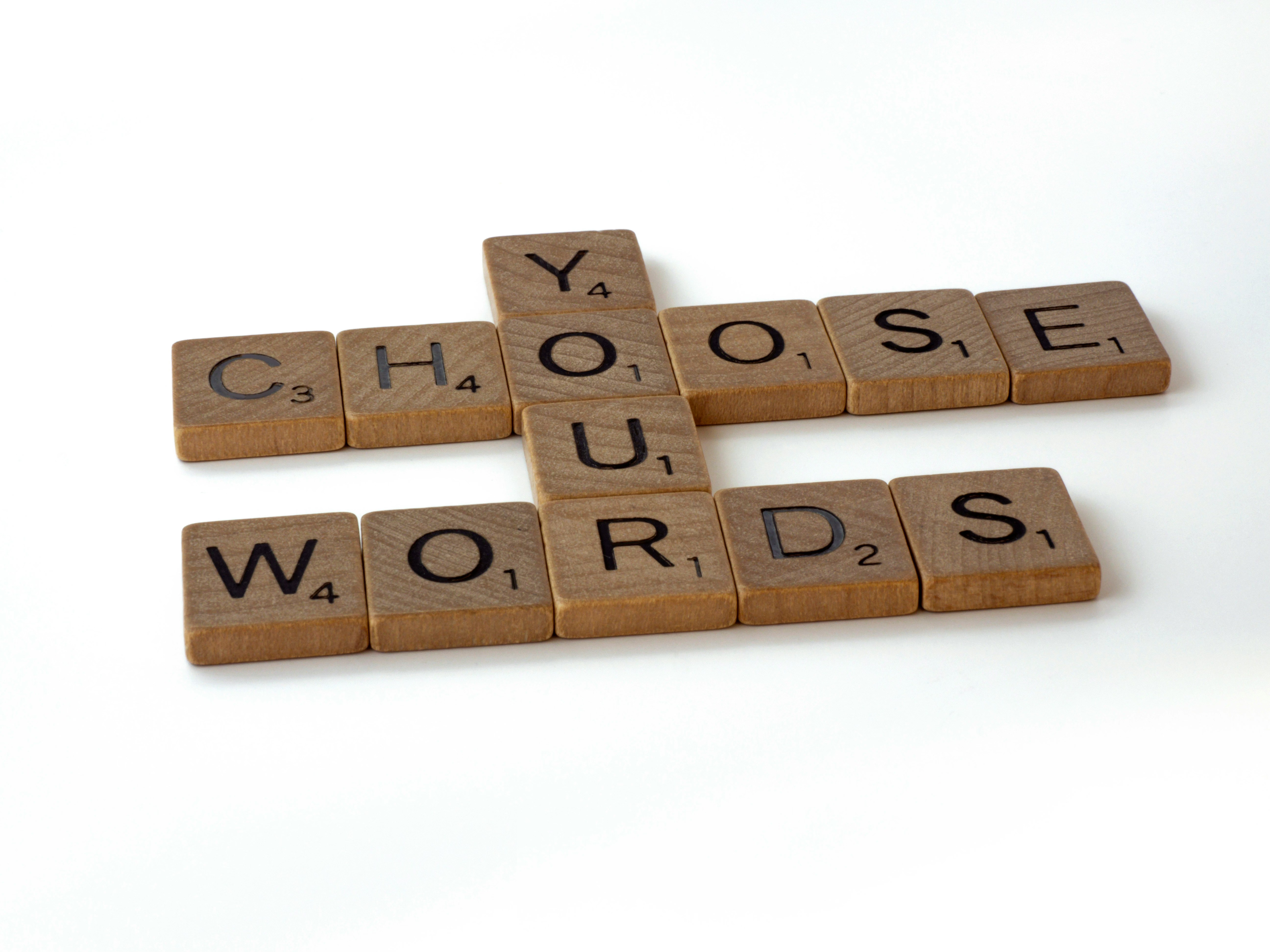
But words carry weight. Malignant. Savage. Illegal. Words can change the course of a life before a single fact has been examined.
And yet the same word can mean entirely different things depending on who’s holding it.
Liberal is a bad word to some, but those same people might enjoy a liberal helping of hot fudge on their ice cream sundaes. Conservative is a bad word to some, but those same people might like a conservative amount of habanero sauce on their taco. Green can mean naive, inexperienced, wet behind the ears or it can mean fresh, new growth, a commitment to something worth protecting.
Right can be a direction, a correction, a political identity, or an invitation: What if everything goes right today? One word. Four entirely different postures toward the morning.
This is the power hiding quietly inside ordinary language. One word can transform an obstacle into a struggle, a struggle into a challenge, a challenge into an opportunity. And our whole posture can shift with it from defeated to curious, from stuck to inspired. We don’t always need new circumstances. Sometimes we just need a different word for the ones we have.
We can have thoughts made of words, and then have other thoughts about those thoughts, also made of words. It’s recursive and a little dizzying when you stop to notice this constant internal monologue narrating, editing, judging, and revising our own experience in real time.
Words can be co-opted, repurposed, weaponized. Woke was once a verb meaning simply to become conscious, to wake up, to notice something you hadn’t seen before. Now it’s been turned into a political grenade. But I would rather be woke in every sense of the word - awake, aware, paying attention - than sleepwalking through a life of comfortable, selfish indifference.
And are our words the only ones that matter? Mycelium, the vast underground fungal networks connecting trees in a forest, communicate through chemical signals and electrical impulses, passing nutrients and warnings through what scientists have called the wood wide web. Trees have been having conversations for millions of years. Long before midnight on our compressed calendar. Long before us.
In the late 1960s, biologist Roger Payne recorded the vocalizations of humpback whales and released them on an album called Songs of the Humpback Whale. It sold widely and is credited with igniting the Save the Whales movement of the 1970s. When we finally heard them speak, we cared. We acted. When we finally heard them, we stopped seeing something to harvest and started connecting with fellow creatures worth protecting.
Sometimes we try to take our words back. “I didn’t mean it,” we say, even as the remnants of our words hang in the air, unable to be fully unsaid. Like a stain on your favorite shirt, you can wash it a hundred times, but the stain only fades, never disappears. The words that have been said to us live in our bodies long after the conversation ends. So do the ones we’ve said to others.
“I’m sorry” carries as much weight as the withholding of those same words, of the apologies ungiven.
Words can cut deep, rock the boat, or keep the peace, but they can also fall short. When it comes to explaining the truly profound, the moving, the devastating, it is sometimes hard to find the words that come close to describing the landscape of our internal wilderness. “I am at a loss for words,” is all we can say.
From the genuinely open “Tell me more” to the cool, ironic agreement of “say less”, words are how we connect with and relate to each other. Words are how we hurt each other and how we help each other heal. They are how we declare war and propose peace and fall in love and say hello and goodbye and build a modern civilization.
They’ve only been here for the last ten seconds of the compressed day. And yet here we are, unable to imagine or explain a world without them. Words are a precious gift. We are responsible for them. Choose wisely. Listen carefully, not only with your ears, but with your heart. When you are unsure, choose words of curiosity. When you don’t know what to say, choose kind words. Go spend some time in nature and leave the words behind for a while.
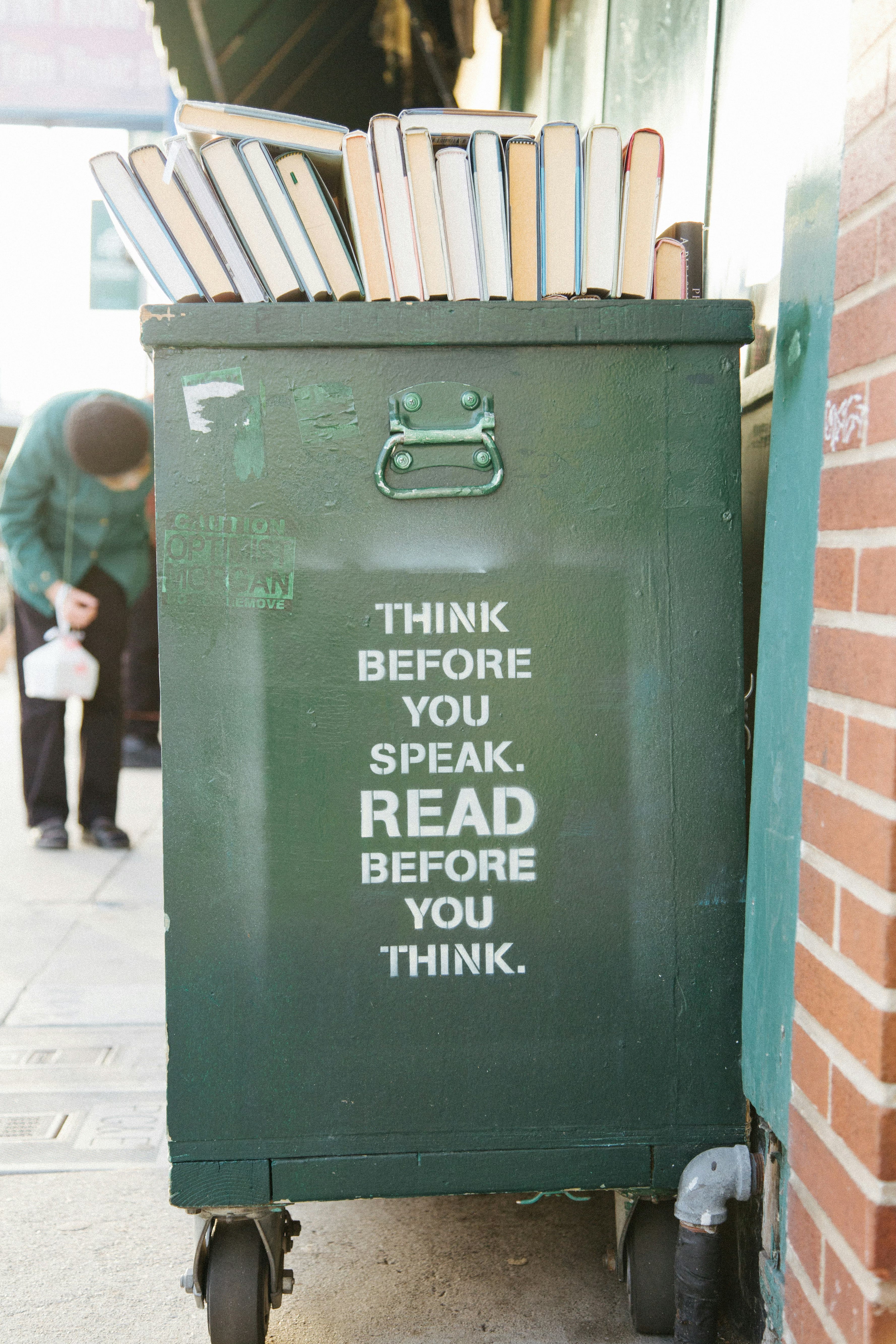
Just read these words aloud to my cute husband, we’re both smiling now 😊
Lovely prose here on the healing as well as wounding potential of our lexical inheritances. I always enjoy an eloquent language on the topic of language. Thank you, and kind regards.